

Back to the Cocoa Powder Guide
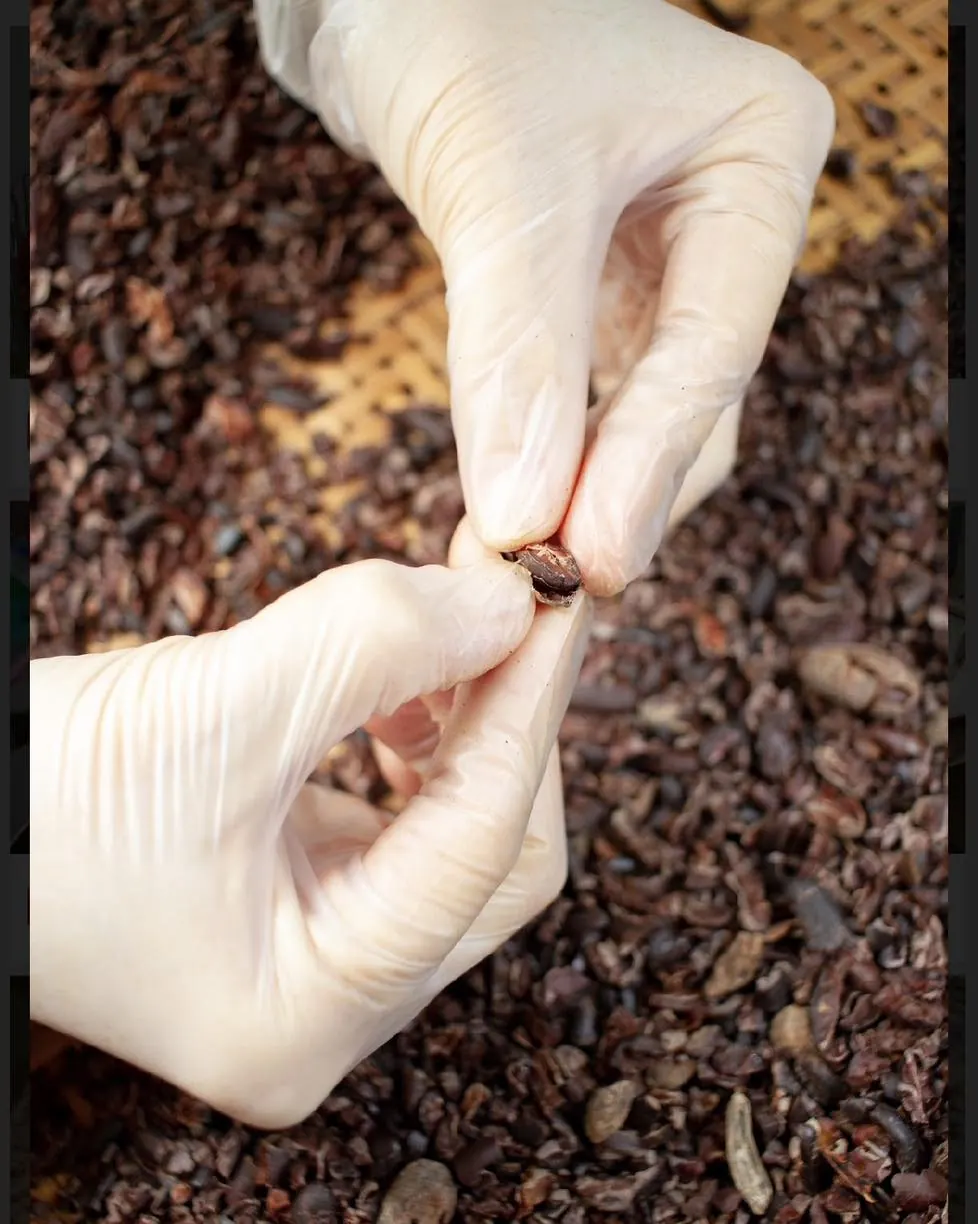
Cacao nibs are crunchy pieces of roasted, shelled cacao beans that keep all their cocoa butter, about half their weight; cocoa powder is the fine powder left after most of that butter is pressed out. So nibs bring crunch and a nutty bitterness, while powder dissolves into drinks and batters and carries more cocoa solids per gram.
Each shines in a different place: nibs add crunch to granola, yogurt and cookies, and powder gives smooth chocolate flavor to drinks and baking.
The bag of cacao nibs looks like it should be a snack. Open it expecting chocolate chips and you get something closer to a coffee bean: hard, bitter, nutty, with not a grain of sugar anywhere. That first surprise is the whole story of nibs and powder in one bite. They are the same bean, one step apart, and that step changes everything about how they taste, how they behave in a bowl, and what they are good for. Grevista distributes cocoa powder, not nibs; this page compares the two so you pick the right one for what you are making.
What does that one step change?
A roasted cacao bean is roughly half fat, the cocoa butter, and half dry cocoa solids, which carry the flavor. Crack the bean out of its shell and you have nibs: all the fat, all the solids, crunchy and coarse, bitter and nutty, higher in calories per gram because of the butter. Grind the nibs into a paste and press most of the butter out, and the dry cake that remains is milled into cocoa powder: fewer calories per gram, the highest concentration of cocoa solids, a fine texture that dissolves into a paste, and a deeper, more recognizably chocolate flavor. The solids are also where the caffeine and theobromine live, so powder has more of them per gram than nibs.

Which has more flavanols?
Per gram, a natural, non-alkalized powder; alkalizing is what lowers them, as explained in Dutch-process cocoa powder.
Can you use cacao nibs instead of cocoa powder?
Not cleanly. Ground very finely, nibs can approximate cocoa powder in a pinch, but they bring roughly half their weight in fat with them, which loosens a batter, and the texture stays slightly gritty however long you grind. If you are mid-recipe and out of cocoa, nibs are not the one-for-one swap you are hoping for; the real options and their ratios are in cocoa powder substitutes.
What is each one actually good at?
For a drink, powder, because nibs will not dissolve at all. For crunch on yogurt or granola, nibs; that is their whole point. For deep chocolate flavor in a bake, powder, which brings more solids and no extra fat to balance. For texture inside a cookie, nibs, which hold their crunch through baking where chocolate chips melt. For the lowest calories per serving, powder, with most of the fat pressed out. And if you want both in one recipe, try nibs folded into a batter made with powder, which is how a lot of good chocolate cookies get their crackle.
Do cacao nibs taste like chocolate?
Not the way most people expect. There is no sugar in nibs at all; they are bitter, nutty and roasted, closer to a coffee bean than to a chocolate bar, and they are worth knowing about before you order a bag expecting a chocolate-chip-like snack. Over yogurt with honey, in granola, or scattered on a brownie batter before baking, that bitterness is exactly what you want. Eaten by the handful, it is an acquired taste.
What Grevista carries: the powder, not the nibs
Grevista distributes cocoa powder: single-origin Vietnamese Trinitario, unsweetened, one ingredient, non-alkalized by the natural process. Its lab reports are published in full; see the full reports.
To put this into practice when you shop, see our guide to the best cacao powder, which compares options by processing, flavor and published heavy-metal testing.
Frequently asked questions
What is the difference between cacao nibs and cocoa powder?
Nibs are roasted cacao beans cracked into pieces, so they keep all their cocoa butter. Cocoa powder is the same bean after most of that butter has been pressed out and the remainder milled.
Are cacao nibs healthier than cocoa powder?
They are different rather than better. Nibs keep the cocoa butter and so carry far more fat and calories per gram; powder is more concentrated in cocoa solids.
Can I substitute cacao nibs for cocoa powder?
Not directly. Ground very finely you can approximate it, but the extra fat changes the batter and the texture stays slightly gritty.
Do cacao nibs have more caffeine than cocoa powder?
Per gram, less: the fat in nibs dilutes the solids that carry caffeine and theobromine. Per serving, it depends how much of each you actually use.
What do cacao nibs taste like?
Intensely bitter and nutty, with a crunch like a coffee bean. There is no sugar in them at all, which surprises people expecting something closer to chocolate.
Are cacao nibs and cacao powder the same thing?
No. Cacao powder is the same ground, pressed product as unsweetened cocoa powder, usually natural (non-alkalized), with most of the cocoa butter removed. Cacao nibs are crushed cacao beans that keep all of their cocoa butter, so they stay crunchy and never dissolve into a drink.
What is the difference between cocoa nibs and cacao nibs?
Only the name. Both are crushed cacao beans; brands that write “cacao” often want to signal a lighter roast or less processing, so check the label for roasted or unroasted if that matters to you.
Keep reading
Safe swaps with ratios are in cocoa powder substitutes; cocoa powder at work in cocoa powder brownies; and what to look at before buying either in five checks for cocoa quality.
Sources
- U.S. Department of Agriculture. FoodData Central: Cocoa, dry powder, unsweetened (FDC ID 169593). Checked October 11, 2026.
- U.S. Code of Federal Regulations. 21 CFR Part 163, Cacao Products (definitions of cacao nibs and cocoa). Checked October 11, 2026.
Written by the Grevista Editorial Team. Last updated November 1, 2026. How we check facts: Editorial Policy.