
The complete guide
Pure unsweetened cocoa powder: the complete guide
Everything about pure unsweetened cocoa powder in one place: what it is, natural vs Dutch-process, how to choose, heavy metals, nutrition, baking, drinks and origin.
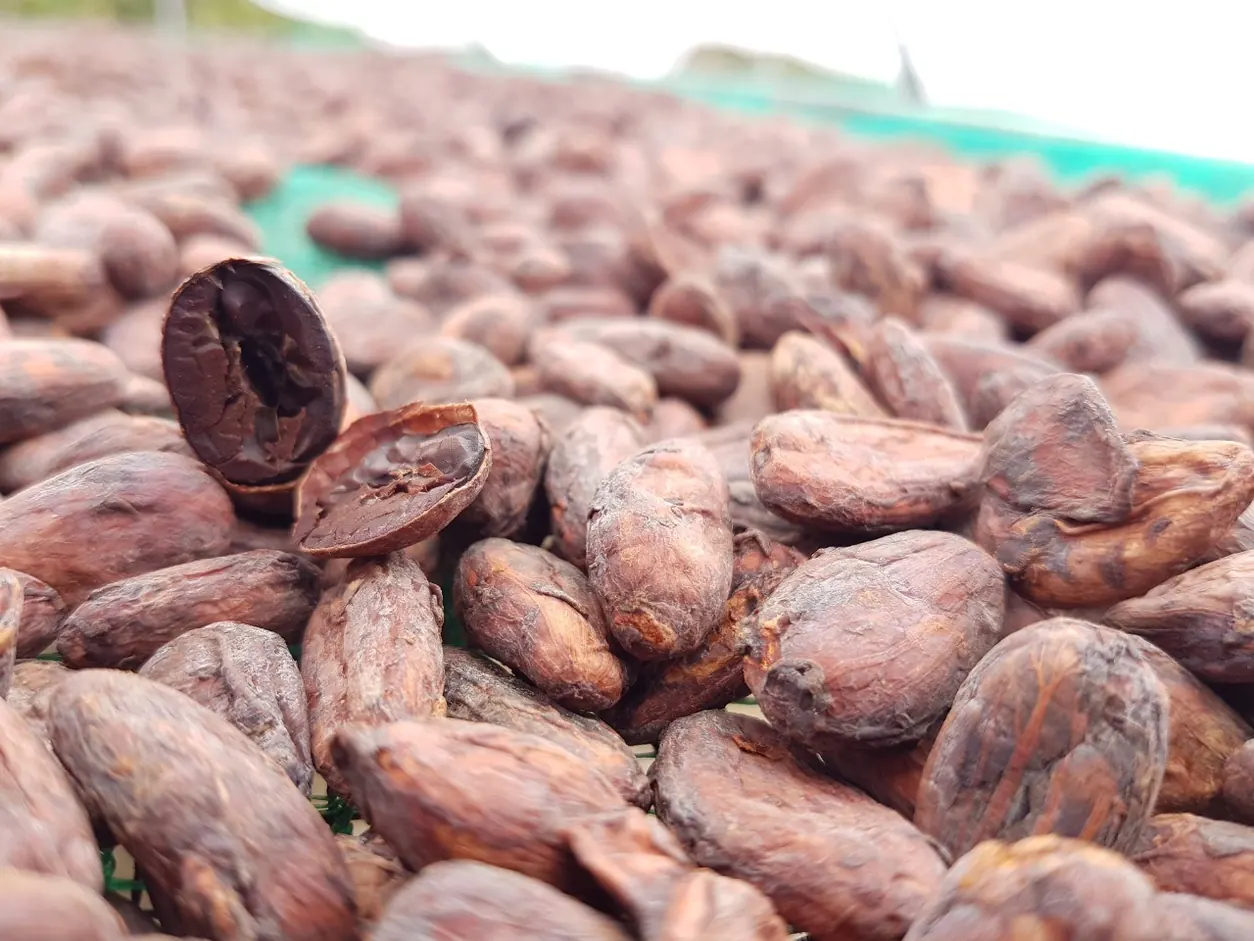

Pure unsweetened cocoa powder is ground cocoa solids with most of the cocoa butter pressed out, and nothing added: no sugar, no milk powder, no flavorings. The ingredient list should read “cocoa” and nothing else, which is what “100% pure cocoa powder” means on a label. It comes in two main styles: natural and Dutch-processed.
What is natural cocoa powder? Natural cocoa powder is cocoa powder that has not been treated with an alkalizing agent (non-alkalized). It is acidic, lighter and more reddish-brown, and sharper in flavor. Dutch-processed (alkalized) cocoa powder is treated to lower its acidity, which makes it darker and milder.
To choose a pure cocoa powder, check four things: a single ingredient, whether it is natural or Dutch-processed (match it to your recipe), who makes it and where the cacao comes from, and whether the brand publishes real lab results for heavy metals. This guide links to a detailed article on each question.
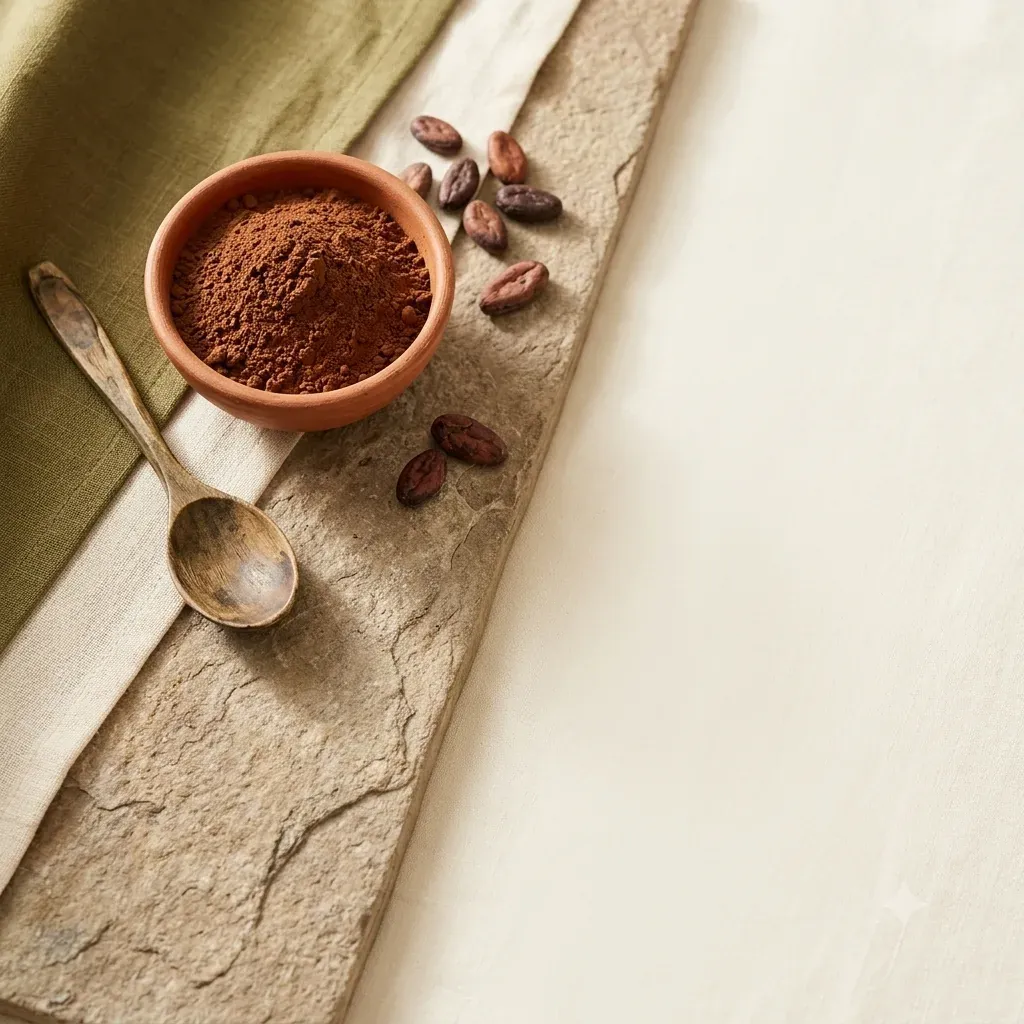
What should you check before buying cocoa powder?
| Check | Why it matters | What to look for |
|---|---|---|
| Ingredient list | “Hot cocoa mix” and “drinking chocolate” often contain sugar or milk powder | One ingredient: cocoa |
| Natural or Dutch-processed | Natural cocoa reacts with baking soda; Dutch-processed recipes usually rely on baking powder | “Natural”, “non-alkalized”, or “processed with alkali” on the label |
| Fat level | U.S. rules name cocoa by its cacao fat content | “Breakfast cocoa” is at least 22% fat; “cocoa” 10–22%; “lowfat cocoa” under 10% |
| Heavy metal results | Cadmium and lead can be present in cacao, and levels vary by origin and brand | A named lab, a test date, a cadmium figure and detection limits, not just “tested” |
| Producer and origin | A named source lets you trace claims and awards | Producer name, country or region, cacao variety if stated |
For a step-by-step checklist, read how to tell if cocoa powder is pure. To compare products against those criteria, see best cacao powder.
Natural or Dutch-process: which one do you need?
As a rule from Iowa State University Extension, use natural cocoa when a recipe relies on baking soda with no other acidic ingredient, and Dutch-processed cocoa when it uses only baking powder.
- Natural vs Dutch-process cocoa powder: flavor, color and baking chemistry compared.
- Black cocoa powder: the heavily alkalized cocoa behind very dark cookies, and how to bake with it.
Heavy metals and lab testing: what should you know?
Levels differ between origins and brands, so the useful check is a dated lab report with real numbers. The guides below cover the research and how to read a report.
- Heavy metals in cocoa powder: what testing shows and how to read a report.
- How much cocoa powder per day: a sensible daily amount, explained.
- The full lab reports and award records for the cocoa Grevista distributes.
What is in a spoonful: nutrition and sugar
- Cocoa powder nutrition facts: calories, fiber, fat and minerals per tablespoon and per 100 g.
- Does cocoa powder have sugar: how to read the label before you sweeten anything.
- Is cocoa powder good for you: what research has examined, and its limits.
- High-flavanol cocoa powder: what survives processing and what does not.
Caffeine, daily amounts and timing
- How much caffeine is in cocoa powder: caffeine and theobromine per serving.
- Best time to drink cacao: morning, before exercise or evening.
- Cacao vs matcha: caffeine, theobromine and when to drink each.
Baking with cocoa powder
- Baking with cocoa powder: leavening, ratios and what goes wrong.
- Best cocoa powder for baking: natural vs Dutch, and what to look for.
- Cocoa powder substitutes: exact ratios and what each one changes.
Drinks: getting a rich cup from unsweetened cocoa
- The best cocoa powder for hot chocolate: why some cocoas taste thin in milk.
- Ready to make something? Browse more cocoa powder recipes, from classic hot chocolate to Vietnamese salted cocoa.
Where does cocoa come from?
- Vietnamese cocoa: where it grows, what it tastes like, and why origin matters.
- Types of cacao beans: Criollo, Forastero, Trinitario and Nacional.
Using and storing cocoa powder
- How to use cocoa powder: mixing without lumps, blooming and everyday uses.
- Does cocoa powder expire: shelf life, storage and how to tell.
How does cocoa powder compare with other cacao products?
- Cocoa powder vs dark chocolate: sugar, fat and how each fits a recipe.
- Cocoa powder vs cacao nibs: same bean, two different ingredients.
- Ceremonial cacao vs cacao powder: what is actually different.
- Cacao vs carob: taste, nutrition and baking differences.
More cocoa powder guides and recipes
Comparisons: cacao vs cocoa powder · sweetened vs unsweetened cocoa · pure cocoa vs hot cocoa mix · is cocoa powder acidic · what “processed with alkali” means · how cocoa powder is made
Nutrition: protein in cocoa powder · epicatechin in cocoa powder · caffeine in cocoa powder
Hot chocolate and drinks: homemade hot cocoa mix · sugar-free hot cocoa mix · hot cocoa mix gift jar · hot cocoa bar ideas · crockpot hot cocoa · s’mores hot chocolate · peppermint hot chocolate · Mexican hot chocolate · pumpkin spice hot chocolate · cocoa powder in coffee · cacao powder smoothie
Baking and cooking: brownies with cocoa powder · dirt cake · Dubai chocolate bar · cocoa powder in chili
Vietnamese cocoa and coffee: cocoa growing regions in Vietnam · Vietnamese salted cocoa · Vietnamese egg cocoa · Vietnamese salt coffee · Vietnamese egg coffee · the producer’s chocolate awards
Our cocoa
Grevista distributes one cocoa powder: single-ingredient, unsweetened, natural (non-alkalized), single-origin Vietnamese Trinitario cocoa, made by VNCACAO CO., LTD (Tbros), with its lab reports published in full. It is sold on Amazon in three sizes. See Grevista Pure Trinitario Cocoa Powder in three sizes: the 200 g box, the 250 g luxury gift box or the 500 g luxury gift box.
Seeing the word “cacao” on a label? Our cacao powder guide explains what it means and how to use it in drinks and baking.
Measuring by weight instead of cups? Our cocoa powder conversion chart turns cups into grams so your recipes come out the same every time.
Curious about the pale product sold as white cocoa powder? Our guide explains what it really is and how to use it in the kitchen.
Frequently asked questions
What does 100% pure cocoa powder mean?
The only ingredient is cocoa: no sugar, milk powder, flavorings or fillers. A 100% pure cocoa powder can still be natural or Dutch-processed, so look for “processed with alkali” in the ingredients if you want natural cocoa.
How can you tell if cocoa powder is pure?
Read the ingredient list first; it should say cocoa and nothing else. Then check color, aroma and how it dissolves, as explained in how to tell if cocoa powder is pure.
Is unsweetened cocoa powder the same as baking cocoa?
Usually, yes. Cocoa sold for baking is typically unsweetened cocoa powder, either natural or Dutch-processed. Check the ingredient list: it should contain only cocoa, sometimes with an alkali listed if it is Dutch-processed.
Is natural cocoa powder the same as non-alkalized cocoa powder?
Yes. Both terms describe cocoa powder that has not been treated with an alkalizing agent.
Can I use natural cocoa in a recipe that calls for Dutch-process?
Sometimes, but the leavening may need adjusting because natural cocoa is acidic. The ratios are in natural vs Dutch-process cocoa powder.
Is hot cocoa mix the same as cocoa powder?
No. Hot cocoa mix usually contains sugar and often milk solids or flavorings. Pure cocoa powder has one ingredient. You can make your own hot cocoa mix from unsweetened cocoa with the hot chocolate recipe with cocoa powder.
Sources
- U.S. Code of Federal Regulations. 21 CFR Part 163, Cacao Products (§163.112 breakfast cocoa, §163.113 cocoa, §163.114 lowfat cocoa), checked September 15, 2026.
- Iowa State University Extension and Outreach, AnswerLine. Natural vs Dutch-processed Cocoa, February 4, 2025.
Written by the Grevista Editorial Team. Last updated November 7, 2026. How we check facts: Editorial Policy.