

Organic cocoa powder is unsweetened cocoa made from cacao grown and processed under a certified organic system, which in the United States means a USDA Organic seal: no synthetic pesticides or synthetic fertilizers on the farm, no genetic engineering and an independent certifier checking every step. The seal tells you how the cacao was grown. It does not, on its own, tell you how the cocoa tastes or whether it is natural or Dutch-process.
“Organic” is one of the most searched words next to cocoa powder, and for good reason: people want a clean, simple ingredient. Here is what the label really covers, what it does not, and the other things worth checking on any bag.
What does organic mean on a cocoa powder label?
In the United States, “organic” on food is a regulated word. A product can use it only if the farm and the processor are certified by an agent accredited under the USDA National Organic Program. Organic farming does not use most synthetic pesticides or synthetic fertilizers, genetic engineering, sewage sludge or irradiation (7 CFR 205.105). The label then shows how much of the product is organic:
| Label wording | What it means | USDA seal allowed? |
|---|---|---|
| 100% organic | Every ingredient is certified organic | Yes |
| Organic | At least 95% organic ingredients | Yes |
| Made with organic cocoa | At least 70% organic ingredients | No |
| Organic listed only in the ingredients | Less than 70% organic | No |
For a single-ingredient cocoa powder, the useful labels are the first two. (Source: 7 CFR 205.301, checked October 22, 2026.)
Is organic cocoa powder the same as natural cocoa powder?
No, and the two words are often confused. “Organic” describes how the cacao was farmed. “Natural” describes how the cocoa was processed: natural cocoa is non-alkalized, while Dutch-process cocoa has been treated with an alkali to darken it and soften its flavor. An organic cocoa can be either. If you bake with baking soda or want a fruity, bright chocolate flavor, look for the word natural or non-alkalized as well; the difference is explained in natural cocoa powder.
Does organic cocoa taste better?
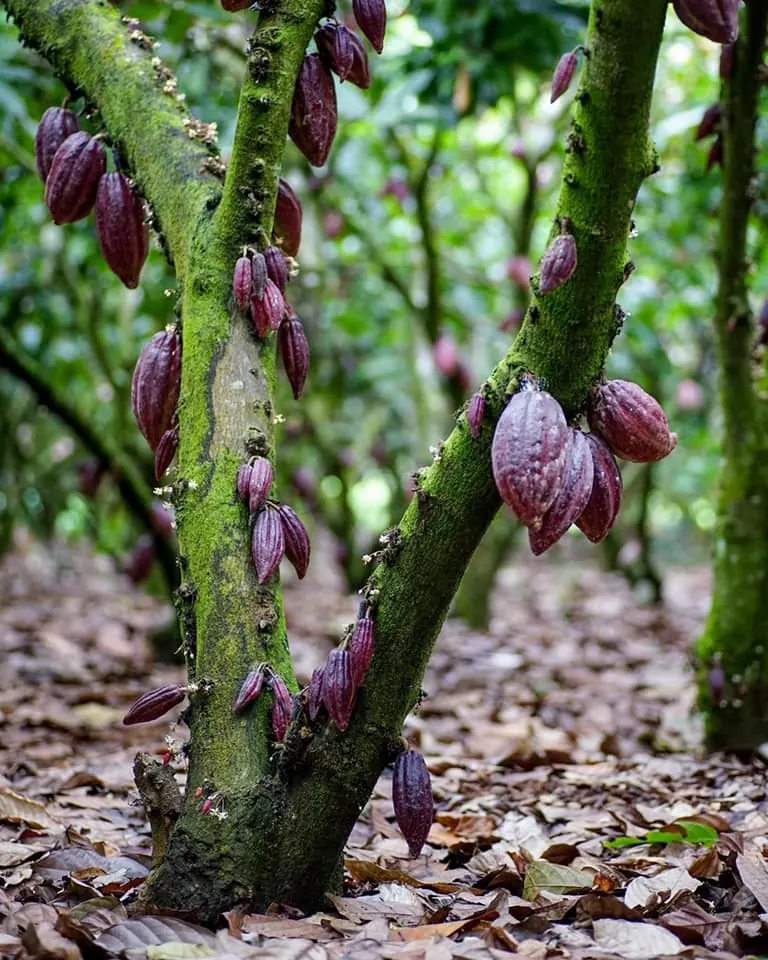
Not automatically. Cocoa flavor is set mostly by three things: the variety of cacao, how carefully the beans are fermented and dried on the farm, and how they are roasted. A well-fermented Trinitario cocoa will taste fruitier and deeper than a poorly fermented one, organic or not. Our guides to cocoa bean fermentation and Trinitario cacao show why.
Is organic cocoa powder lower in heavy metals?
Not necessarily: the organic label covers how the cacao is farmed, not what the soil holds. Our guide to heavy metals in cocoa powder explains what actually decides it.
What should you check besides the organic label?
- One ingredient: cocoa, with no added sugar, milk powder or flavors.
- Natural or Dutch-process: choose for your recipe and taste.
- A named origin: a country or region tells you more about flavor than a generic “premium”.
- Freshness: a resealable bag or tin and a clear best-by date.
Our five checks for good quality cocoa powder walks through each one.
Where does Grevista fit?
Grevista is a one-ingredient natural cocoa powder, non-alkalized and unsweetened, made from Trinitario cacao grown in Đắk Lắk, in Vietnam’s Central Highlands. The cacao is grown without synthetic pesticides or chemical fertilizers, fermented the traditional way in wooden boxes lined with banana leaves, dried in the sun and given a minimal roast and grind. Its lab results are published on our lab results page. See sizes on the Grevista cocoa powder page.
To put this into practice when you shop, see our guide to the best cacao powder, which compares options by processing, flavor and published heavy-metal testing.
Frequently asked questions
Is organic cocoa powder worth the extra cost?
It is worth it if organic farming matters to you. For flavor, the origin and the processing tell you more than the seal alone.
Is organic cacao powder different from organic cocoa powder?
Mostly in name. Both are made from fermented, dried and processed cacao beans; the label word “cacao” does not guarantee a different process. See cacao vs cocoa powder.
Can organic cocoa powder be Dutch-processed?
Yes. Organic rules allow certain alkalizing agents, so check the label for “natural” or “non-alkalized” if you want natural cocoa.
Written by the Grevista Editorial Team. Last updated October 22, 2026. How we check facts: Editorial Policy.